
Billy Bolt’s Body Gave Out in Germany – Twice. Here’s What He Learned
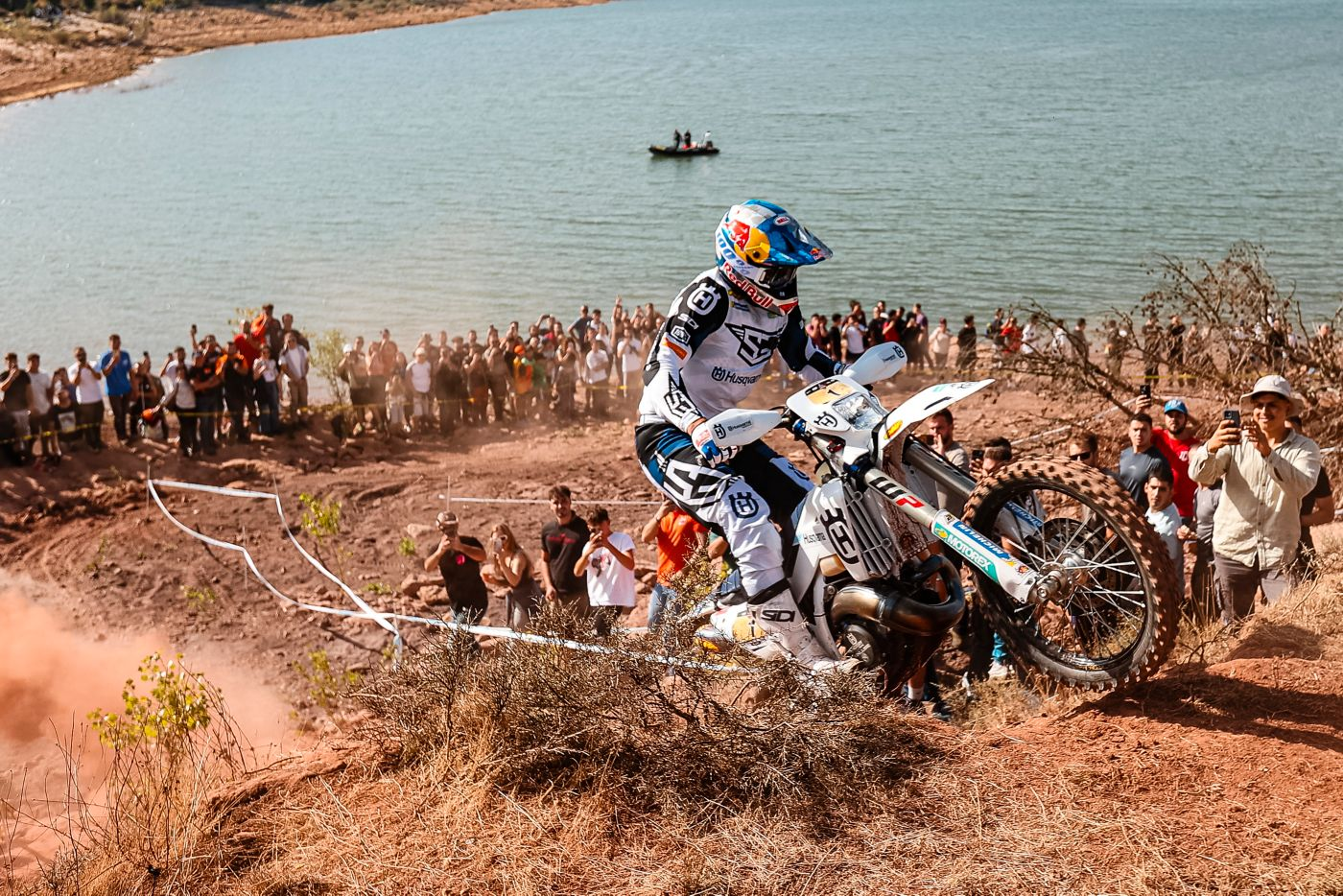
Billy Bolt rode seven SuperEnduro rounds in 2024 with a torn ACL, shredded meniscus, and two fractured bones in his lower leg. He won all seven. Then he made a decision that the younger version of himself never would have made: he stopped racing and had surgery. The journey from that choice reveals everything about how elite athletes actually break down.
Bolt opened up about his relationship with rest, recovery, and the crushing pressure to never stop during his appearance on the Against the Rut podcast with Tom Searle and Dean Wilson. His story connects two moments in Germany that bookend what he’s learned about listening to your body versus grinding through everything.
Germany 2018: Running on Empty
The first Germany moment came at the 2018 Tong race in the British Extreme Championship. Bolt was in his second year with Husqvarna, carrying expectations, and something inside him snapped during the race.
“I didn’t ride good, completely like lost my head, got so angry like during the race,” Bolt recalled. “I’m just like holding this thing on the rev limiter going nowhere, making an absolute tit of myself.”
He finished third. Paul Bolton passed him on the final lap while Graham Jarvis won comfortably. Bolt threw his bike down, smashed his helmet into the ground, and watched it bounce into a fishing pond. His mechanic Stan loaded the bike and left without speaking to him.
Looking back on the podcast, Bolt recognised what was really happening. His body and mind were telling him something was wrong, but he didn’t have the tools to understand the message. He just knew he felt overwhelmed and responded by losing control completely.
Germany 2024: A Different Response
Fast forward to the 2024 SuperEnduro round in Germany. Bolt landed awkwardly in practice and immediately knew something was seriously wrong. He’d torn his ACL, damaged his meniscus, and fractured his tibia in two places.
The pain left him on the floor. But this time, instead of emotional chaos, he made a calculated assessment. He could race. He did race. He won that round and the next six, claiming his fourth consecutive SuperEnduro title.
Then came the decision that defined his growth. With the Hard Enduro World Championship starting and Manuel Lettenbichler in dominant form, Bolt chose surgery over pushing through. He sat out the first half of the outdoor season while his knee healed properly.
“Obviously Manny wrapped the championship up in Germany last weekend,” Bolt said on the podcast. “So, kind of makes it a bit easier for me to just put my focus onto indoor training now.”
The old Billy Bolt would have tried to race through it and probably ended his career early. The mature version understood when to stop.
The American System That Breaks Riders
During the podcast discussion about travel and training culture, Bolt touched on something that connects directly to his injury experience. He observed a fundamental difference between European and American racing mentality.
“I find a bit mad about in America, and I don’t know, this might be untrue, but this is how it seems,” Bolt said. “It’s portrayed that like it’s so strict with your kind of in the week stuff as well. Like even when you’re like three quarters of the way through the year, it’s like everyone still rides two days a week or whatever.”
He continued, “I just feel like when you’re that far into a year and you’ve done that many flights and that many travel, surely there’s times when you just say like, whoa, like my body just needs this week of like nothing to be able to race next weekend.”
Dean Wilson, the American motocross rider on the podcast, agreed. “The season’s like a bit too long on our side. The writers are very few of us writers are making it through all the way through. I think we need to figure it out and chop it down somehow because the writers are just getting fried.”
Bolt contrasted this with European flexibility. “Whereas I think Europe’s a bit more there’s a bit more give, a lot more.”

Winning After Two Weeks Off
Bolt shared something that challenges the entire rigid training narrative. Sometimes rest works better than grinding through prescribed schedules.
“I just know for myself, like there’s been weeks or like even several weeks I’ve thought I just need to do nothing and I’ve turned up at a race and not rode for two weeks and I’ve still won,” he explained. “There’s races that I’ve turned up for after not riding for two weeks and I’ve still won.”
That admission cuts through conventional wisdom about constant training. Bolt has reached a level where he understands his body well enough to know when backing off produces better results than pushing through.
“From the outside, America looks so regimented and so strict that it just… it’s no wonder people get burned out,” he said.
The Spiral That Confirms Everything
Bolt experienced exactly what happens when you ignore your body’s signals. After breaking his back in Abu Dhabi early in 2024, he took six weeks off and returned feeling better than he had all year.
“Even for me this year, I broke my back in Abu Dhabi when we was out there, Dean, and then I had six weeks off and then I returned to a race and almost felt the best I’d felt all year other than feeling a little bit rusty in qualifying,” he said.
But then the pressure to keep racing kicked in. “Then I did feel like I had to then have another week off because I hadn’t rode and that had knackered me out from that race. And then I had another race and then I almost got in a spiral where I could only go, I couldn’t practice for a bit because I was that tired from each race weekend.”
That spiral, where racing without recovery leads to more fatigue and worse performance, is exactly what he avoided by choosing surgery after Germany. The toll doesn’t show up immediately. It compounds over weeks until you’re racing below your capability and risking serious injury.
What This Actually Means
Bolt returned from his knee surgery to win Hixpania Hard Enduro, then dominated the 2025 SuperEnduro season to claim his fifth consecutive title. The time off didn’t hurt him. It probably extended his career.
The contrast between 2018 Germany and 2024 Germany shows what separates champions who last from those who burn out. In 2018, he didn’t know how to read his body’s signals and responded with emotional chaos. In 2024, he pushed through seven rounds on a destroyed knee, then made the hard choice to stop before permanent damage set in.
Tom Searle, the retired rider on the podcast, captured the broader issue. “It’s insane for people that haven’t done it to realize what the riders actually do go through aside from the racing, just traveling to an event.”
Bolt’s point isn’t that riders should never push through pain or fatigue. It’s that the culture of rigid training schedules and never backing off creates a system where athletes can’t make smart decisions about their own bodies. Sometimes the bravest thing a champion can do is recognise when stopping makes them stronger.
His body gave out twice in Germany. The first time, he didn’t know how to handle it. The second time, he made the right call and came back better than ever.